
Stress is an inevitable part of life, affecting everyone at some point. However, managing stress is crucial for maintaining both physical and mental health. In this article, we will explore various stress management techniques and coping mechanisms to help you lead a balanced life. Using stress management techniques can help individuals handle daily pressure more effectively. Understanding stress management gives a clear example of what is psychology in real life.
What is Stress?
Stress is the body’s natural response to challenges or demands. It is often known as the “fight or flight” response. While a small amount of stress can be helpful in motivating us and keeping us alert, too much stress over a long period can harm our health. Stress affects memory by impairing attention and concentration, which makes it harder to store and recall information. It can lead to problems such as anxiety, depression, poor sleep, and even heart-related issues. That is why it is important to understand stress and use effective stress management techniques to handle it in a healthy way. Understandingrole of psychology in managing stress can improve emotional control. Different people react differently due to their personality traits. Learn more about personality here to understand it better.
Common Stress Management Techniques for Daily Life
Various stress management techniques exist. Some of them are:
Mindfulness and Meditation
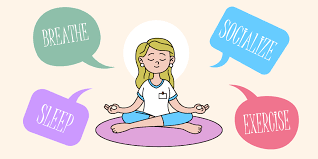
Mindfulness and meditation are effective stress management techniques that help individuals stay focused on the present moment instead of worrying about the past or future. Simple techniques like deep breathing, guided meditation, or sitting quietly for a few minutes can calm the mind. Over time, these practices improve emotional control, reduce anxiety, and help people feel more relaxed and balanced in daily life. Doing meditation daily can also contribute to increasing concentration and support memory functioning in daily lives.
Physical Activity
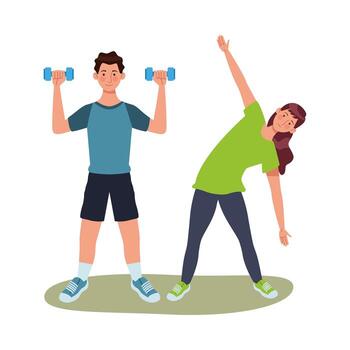
Regular physical activity is one of the most effective ways to reduce stress. Exercise releases endorphins, which are chemicals in the brain that improve mood and reduce feelings of stress. Activities like walking, jogging, yoga, or even dancing can make a big difference. Staying active also improves sleep and boosts overall energy levels.
Time Management

Regular physical activity is one of the most effective ways to reduce stress. Exercise releases endorphins, which are chemicals in the brain that improve mood and reduce feelings of stress. Activities like walking, jogging, yoga, or even dancing can make a big difference. Staying active also improves sleep and boosts overall energy levels. Time management is one of the most useful stress management techniques for reducing daily pressure.
Social Support

Talking to friends, family, or colleagues can help reduce stress and make you feel supported. Sharing your thoughts and feelings with someone you trust can bring comfort and clarity. A strong support system also helps you feel less alone during difficult times. Even spending time with loved ones or engaging in social activities can improve mood and reduce stress.
Coping Mechanism for Stress
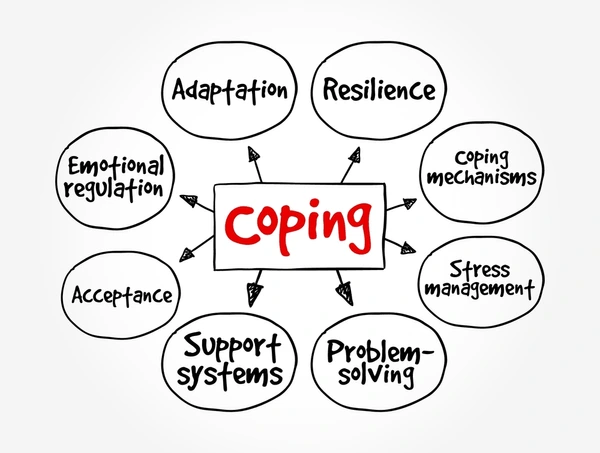
Problem-Focused Coping
Problem-focused coping means dealing with the cause of stress directly. This can include finding solutions, making plans, or changing situations that are causing stress. For example, if work pressure is high, organizing tasks or asking for help can reduce stress. This approach is useful when the problem can be controlled or changed.
Emotion-Focused Coping
Emotion-focused coping helps manage feelings related to stress rather than the problem itself. This includes relaxation techniques, talking to someone, journaling, or practicing positive thinking. It is especially helpful when the situation cannot be changed easily. This method helps individuals stay calm and emotionally stable.
Healthy vs Unhealthy Coping
- Healthy coping: exercise, meditation, talking to others
- Unhealthy coping: overeating, avoiding problems, excessive screen time
Choosing healthy coping methods helps improve both mental and physical well-being.
Role of Lifestyle in Stress Management
Healthy Diet
A balanced diet plays an important role in managing stress. Eating foods rich in vitamins, minerals, and antioxidants helps the body function properly and improves brain health. Fresh fruits, vegetables, whole grains, and nuts can boost energy and reduce stress. Avoiding too much caffeine and junk food also helps maintain a stable mood.
Sleep and Rest
Getting enough sleep is essential for reducing stress and staying mentally healthy. Lack of sleep can make you feel tired, irritable, and less focused. Creating a regular sleep routine, avoiding screens before bed, and relaxing before sleeping can improve sleep quality. Good rest helps the body recover and prepares you to handle stress better.
Conclusion
In conclusion, stress is a normal part of life, but it can be managed with the right stress management techniques and healthy habits. Personality traits also influence how individuals perceive and cope with stress which affects their emotional and behavioral responses. By practicing mindfulness, staying physically active, managing time effectively, and seeking support, individuals can reduce stress in a healthy way. Using positive coping mechanisms and maintaining a balanced lifestyle can improve overall well-being. With small daily efforts, it is possible to lead a calmer, healthier, and more positive life. Stress in child psychology affects behavior by causing emotional, social, and cognitive changes such as irritability, withdrawal, or difficulty concentrating. Click here to learn more about child psychology.