
Memory is an important part of our daily life. Memory is a factor of psychology which helps us store information, recall past experiences, and learn new things. Without memory, it would be difficult to perform even simple tasks like remembering names, studying for exams, or following daily routines. Memory also helps us connect our past experiences with present actions. Understanding how memory works can help us improve it and reduce forgetting in everyday life. To explore the topic of psychology further, read more here.
What is Memory?
Memory is the process by which the brain stores, keeps, and retrieves information. It allows us to remember facts, experiences, and skills over time. Memory plays an important role in learning, decision-making, and problem-solving. It is not just about remembering things for exams. Memory also includes everyday activities such as remembering directions, recognizing faces, or recalling important events. A strong memory helps us function better in both personal and professional life.
How Memory Works?
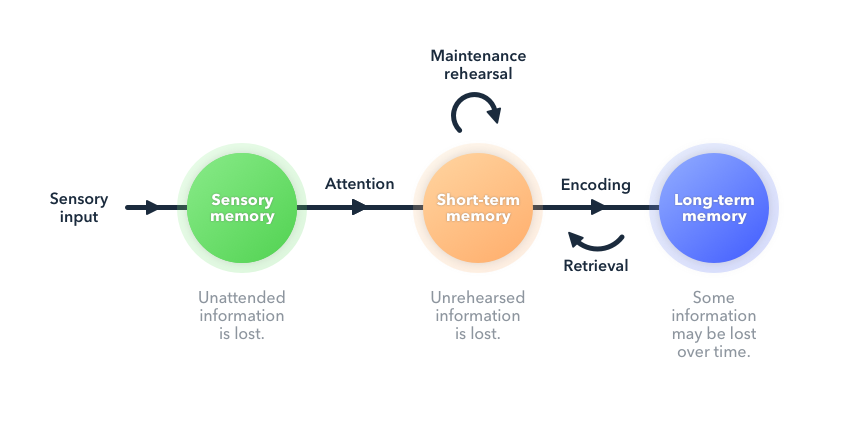
Memory works in three main steps that help us process and use information effectively.
Encoding
Encoding is the first step where we take in information through our senses. This happens when we read, listen, or observe something. Attention is very important at this stage because if we are distracted, the information may not be properly stored.
Storage
Storage is the process of keeping information in the brain for future use. The brain organizes and stores information in different ways depending on its importance. Some memories are stored for a short time, while others are stored for a longer period.
Retrieval
Retrieval is the process of recalling stored information when needed. For example, remembering answers during an exam or recalling a past event. The better the encoding and storage, the easier it is to retrieve information.
Types of Memory
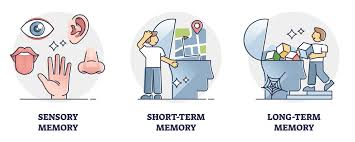
There are different types of memory based on how long information is stored and used.
Sensory Memory
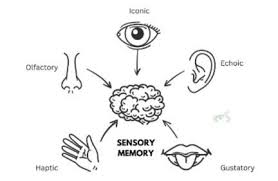
Sensory memory is the first stage of memory where information from our senses is briefly stored. It holds what we see, hear, or feel for just a few seconds. For example, when you quickly see a flash of light or hear a sound, your brain stores it for a very short time. If you pay attention to it, it moves to short-term memory.
Short-Term Memory

Short-term memory holds information for a short period, usually a few seconds to minutes. It is used for temporary tasks like remembering a phone number or instructions. This memory has limited capacity and can easily be lost if not used.
Long-Term Memory
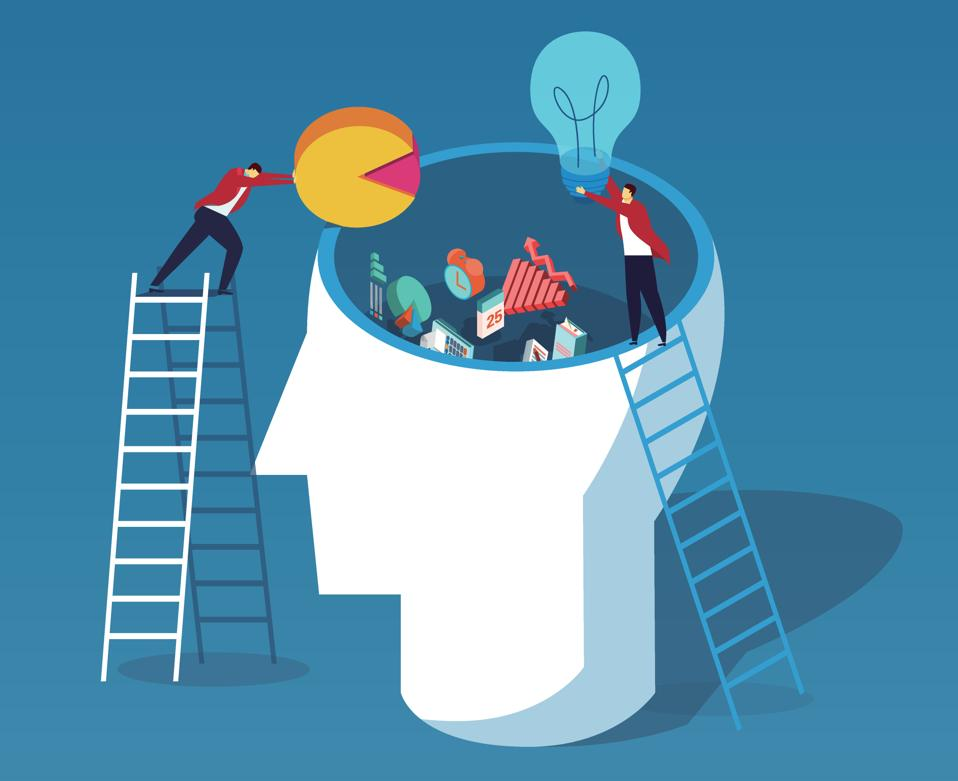
Long-term memory stores information for a longer time, sometimes even for a lifetime. It includes knowledge, personal experiences, and skills. Repetition and practice help move information from short-term to long-term memory.
Examples of Memory Types
- Remembering a number briefly: short-term memory
- Remembering school lessons: long-term memory
- Learning a skill like cycling: long-term memory
Why Do We Forget?
Forgetting is a natural part of how memory works. It does not always mean that something is wrong with our brain. In fact, forgetting helps the brain remove unnecessary information and focus on what is important. However, we forget for several common reasons, especially when information is not properly stored or used.
Lack of Attention
If we are not focused while learning something, the information may not be properly encoded in the brain. For example, if you are distracted while studying or listening, your brain may not store that information clearly. As a result, it becomes difficult to remember it later. Paying full attention during learning is very important for strong memory.
Passage of Time
Memories can fade over time, especially if they are not used or reviewed regularly. This is why we often forget things we learned a long time ago if we do not practice them. Regular revision helps keep information active in the brain and strengthens long-term memory.
Stress and Lack of Sleep
Stress and lack of sleep can have a strong impact on memory. When a person is stressed, the brain finds it harder to focus and store information. Similarly, lack of proper sleep affects how the brain processes and organizes memories. A tired mind cannot function properly, which makes remembering things more difficult. Different stress management techniques should be implemented to become stress-free and for stress management.
Inference
Sometimes new information can mix with old memories, causing confusion. This is known as interference. For example, learning similar topics at the same time may make it harder to remember them correctly. This is why taking breaks and studying one topic at a time can help improve memory.
Conclusion
In conclusion, memory plays a vital role in our daily life. It helps us learn, remember, and grow as individuals. By understanding how memory works and why we forget, we can take steps to improve it. Simple habits like staying focused, practicing regularly, and maintaining a healthy lifestyle can strengthen memory. With consistent effort, it is possible to improve memory and make learning more effective and enjoyable. Memory plays a great role in child psychology development to shape their character.
Personality traits in daily life influences memory of a person by shaping what we pay attention to, how we interpret experiences, and what information we are more likely to remember over time. Memory improvement is not something that happens overnight. It requires regular practice and patience. Small changes in daily habits, such as paying attention, revising information, and getting proper rest, can make a big difference over time. The more we use our memory in the right way, the stronger it becomes.
Understanding memory also helps us become more confident in our learning abilities. When we know why we forget and how to improve, we can handle studies, work, and daily tasks more effectively. By applying simple techniques and staying consistent, we can build a sharper mind and improve our overall quality of life.
Frequently Asked Questions
What is memory?
Memory is the process by which the brain stores, keeps, and recalls information over time.
Why is memory important in daily life?
Memory helps us learn new things, remember experiences, and perform everyday tasks like studying or following routines.
What are the main types of memory?
The main types include sensory memory, short-term memory, and long-term memory.
How does memory work?
Memory works through three steps: encoding, storage, and retrieval of information.
Why do we forget things?
We forget due to lack of attention, passage of time, stress, or interference from new information.
What is short-term memory?
Short-term memory holds information for a brief period, usually for a few seconds or minutes.
What is long-term memory?
Long-term memory stores information for a long time, from days to years.
Can memory be improved?
Yes, memory can be improved through practice, repetition, focus, and a healthy lifestyle.
How does stress affect memory?
Stress can make it harder to concentrate and store information, which affects memory performance.
What are the simple ways to improve memory?
Simple ways include staying focused, revising regularly, getting enough sleep, and using memory techniques.